Top Global Ecommerce Trends Shaping Markets and Driving the Future of Online Retail
- Team EraEase

- 2 days ago
- 5 min read
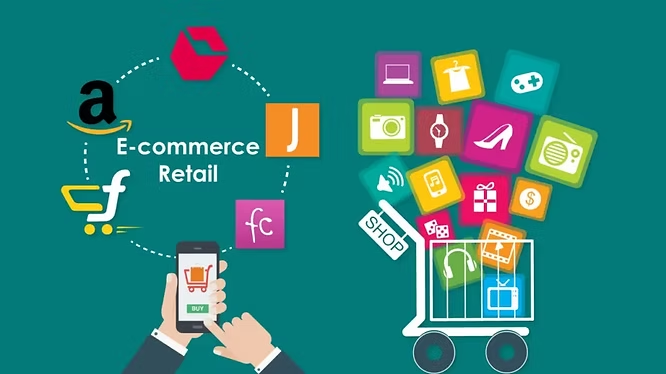
Ecommerce has had radical growth over the past three years, and this trend is likely to keep growing due to current technological advancements and changes in customer behavior. These global ecommerce trends show how digital transformation is changing the way businesses operate and how consumers shop online. Online shopping has enabled people to shop and make purchases online with a lot of freedom. Consumers today use online shopping to access various digital platforms, which include applications, social media, and virtual shopping environments.
The current growth of internet-based business activities is leading to increased competition in online markets. There is a growing demand for quick services, improved customer service, and hassle-free shopping experiences. Due to rapidly evolving global ecommerce trends, the virtual marketplace demands that companies monitor the prevailing trends in the market in their line of business.
The following trends can be described as key aspects that define the further evolution of online retailing and the world of e-commerce.
Top Global Ecommerce Trends Shaping Markets and Leading the Future of Online Retail
Understanding the latest ecommerce industry trends, including global ecommerce trends, helps businesses stay competitive and adapt to the fast-changing digital marketplace.
AI-Powered Personalization and Automation
Artificial Intelligence is becoming an integral part of the ecommerce field. Today, many online stores make use of Artificial Intelligence to know what their customers like, what they search for, and what they purchase the most.
Based on this information, ecommerce websites may be able to provide their customers with recommendations depending on their interests. As an illustration, in case a customer wants to purchase sports shoes, other accessories can be recommended by the website.
Moreover, chatbots also utilize AI and assist in responding to customer requests in real-time. This assists in improving the services offered to customers, and the entire shopping process becomes easier for them. Moreover, AI assists companies in demand prediction and inventory control.
Mobile Commerce Dominating Online Shopping

Smartphones have transformed online shopping. Today, it has been observed that a massive proportion of the world shops online via their mobile phones.
Mobile commerce or m-commerce is a growing trend because of the development of smart phones and the enhancement of internet connections. These Ecommerce market growth trends highlight how mobile technology is shaping the future of digital retail within broader global ecommerce trends. Based on this trend, businesses should ensure that they have a mobile-friendly site.
Quick checkout, digital wallets, and easy navigation are some of the features that support mobile shoppers. Therefore, businesses must ensure a smooth customer experience to mobile shoppers, and it will be appealing to more online consumers.
Social Commerce and Influencer-Driven Shopping
Social media sites are not just used for communication and entertainment purposes. There is a shift in the way people are using these sites, and now they are also used for product discovery and shopping.
For example, Instagram, TikTok, and Facebook are some of the popular social media sites that allow users to discover, review, and shop products on their sites. This is referred to as social commerce.
The role of the influencers is also significant in this context. Influencers refer to those who usually promote a certain product or brand, and usually, the brand decides to partner with the influencers, who in return promote the brand’s products. People usually believe in the recommendations made by the influencer they are following.
Immersive Shopping with AR and VR
With the advent of technology and rising aspects of global ecommerce trends, online shopping is becoming more interactive and interesting for the customer. Augmented Reality and Virtual Reality help the customer to experience the product virtually before the actual purchase.
For example:
Furniture brands enable the user to virtually place the product in their home.
Beauty brands enable the user to virtually try on the product.
Fashion brands enable the user to virtually try on the product in a virtual changing room.
These technologies will help the customer make a confident decision when purchasing the product as the customer will be able to visualize the product better. Therefore, the business will be able to reduce the number of returns of the product.
Cross-Border and Global Ecommerce Expansion

The internet has helped businesses access customers across the world. Nowadays, various online business entities can sell their goods throughout the world compared to earlier days when they concentrated only on local markets.
These International ecommerce trends highlight how cross-border selling is opening new opportunities for businesses and consumers worldwide. Cross-border ecommerce helps customers access unique products from other countries, whereas it helps businesses expand their customers.
However, in order for these companies to succeed in the global market, they have to offer their consumers experiences such as language support, local currency support, and shipping support.
Sustainable and Ethical Ecommerce
Consumers today are getting more concerned about the problems going on in the environment. A large number of consumers are increasingly purchasing products of firms that employ ethical business practices.
With this change, online businesses are embracing green initiatives like recyclable packaging, green procurement and reduction of carbon footprints in their delivery mechanisms.
Green practices are environmentally friendly and might also contribute to improving relations between the businesses and their clients.
Subscription-Based Ecommerce Models
Subscription-based ecommerce is another trend that is gaining popularity and shaping global ecommerce trends. In this trend, customers are able to subscribe to a product, and this product is delivered on a regular basis.
This type of model is common in the beauty product industry, food delivery, and clothing services. This model is convenient for the customer because they don’t have to order the product each time they want to use it.
For businesses, it also generates a steady stream of revenue while assisting in the creation of customer relationships in the future.
Conclusion
The constant evolution of technology is a factor that keeps the online retail business in a state of perpetual change. Artificial intelligence, mobile commerce, social shopping, immersive tech, and sustainability are some of the trends transforming the online retail business.
These developments indicate the future of global ecommerce, where technology and customer experience will continue to shape the digital marketplace. In fact, understanding the top Ecommerce trends shaping global markets helps businesses identify opportunities, improve strategies, and stay competitive in the evolving digital economy.
Organizations which are able to adapt to such trends and place prior emphasis on customer experience are bound to succeed in this highly competitive online world influenced by the global ecommerce trends.
Stay Updated with the Latest Ecommerce Insights
If you want to know more about the latest digital trends, technology, and business insights, then check out more informative blogs at EraEase. We provide useful information through our guides that help you make the best decisions in the online world.
Stay curious, stay learning, and stay ahead with EraEase.
FAQ’s
What are the latest ecommerce trends in the global markets?
The current trends associated with ecommerce are AI personalization, mobile shopping, social commerce, AR shopping experiences, cross-border selling, sustainable practices, and subscription-based ecommerce.
Why is mobile commerce important for online retailers?
The importance of mobile commerce lies in the fact that most of the population does shopping using mobile technologies like smartphones. Customers are able to shop easily when a site is mobile friendly as the process becomes quicker and easier.
How is AI used in ecommerce?
AI helps ecommerce businesses to learn customer behavior, provide product recommendations, and support them using chatbots. AI can also assist business firms to enhance their marketing.
What is social commerce in ecommerce?
Social commerce is associated with the prospect of commercializing products via social media, which provides users with the ability to communicate with the product and buy it right away.
What are the ways businesses can keep themselves competitive in the ecommerce business?
The ability to keep pace with the latest trends, enhance customer experience, and use new technologies can help the businesses to preserve their competitive advantage.


Comments